Word Lab
Specialized Reading and Writing Intervention
When Reading is Hard, the Right Instruction Matters
If your child is struggling to read despite classroom instruction, extra practice, or even previous intervention, they may not need more of the same. They may need reading taught in a way that makes sense to them.
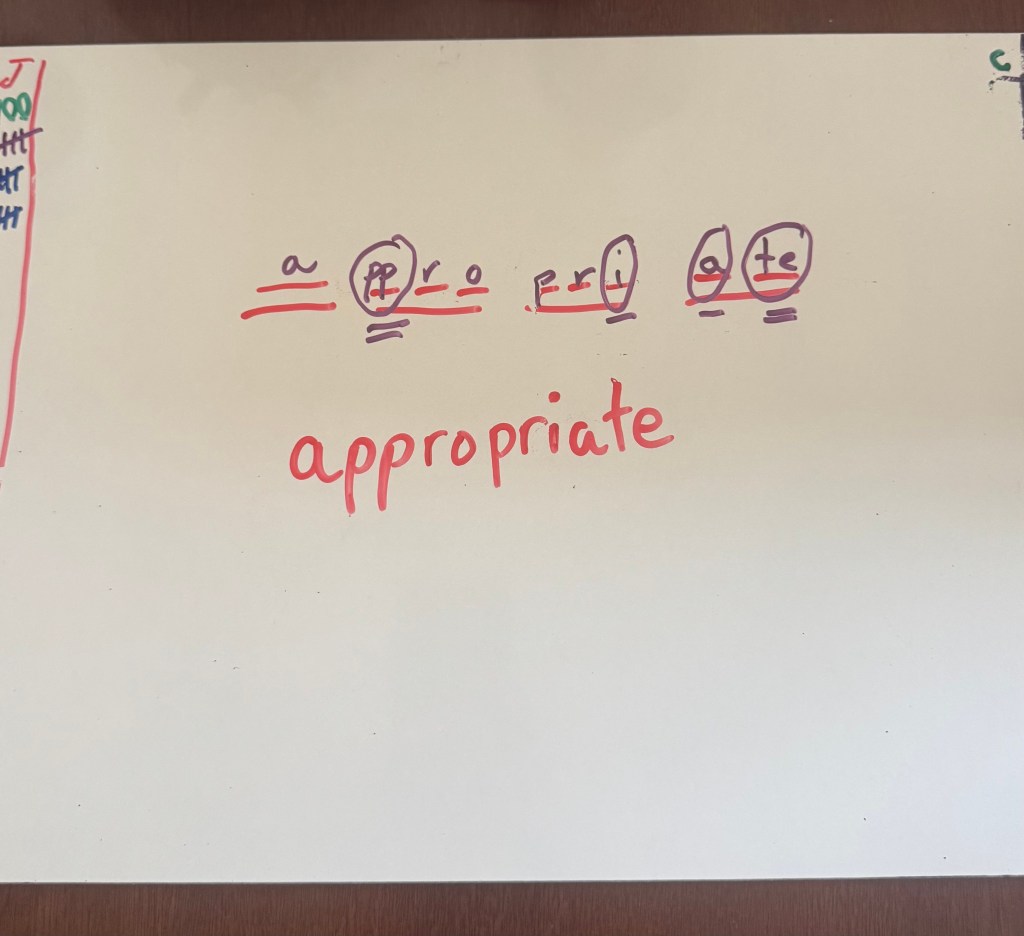
At Word Lab, instruction is grounded primarily in Linguistic Phonics (Speech-to-Print). Rather than beginning with rules to memorize, this approach starts with something children already know—the sounds of spoken language—and teaches them how those sounds are represented in print.
Word Lab also taps into Orton-Gillingham and Structured Word Inquiry approaches to address individual learning needs. Instruction is responsive rather than one-size-fits-all, continually adapting to each child’s strengths, challenges, and progress so that valuable instructional time is focused where it can have the greatest impact.

Early Intervention is the goal but intervention at any point in a student’s reading journey can make all the difference.
Trust your Gut
We are recognizing more and more that not every child is receiving the literacy instruction they need to become a successful, lifelong reader. In the early grades, it may even appear that a child is reading successfully when, in fact, some bright and highly adaptable children have become very good at memorizing familiar words, using context, or guessing rather than consistently decoding the words on the page.
Parents are often the first to sense that something is not quite right. They may notice that their child avoids unfamiliar words, guesses from the first letter, struggles to read a word they have not seen before, or seems to forget words they appeared to know just days earlier.
Too often, families are reassured to “wait and watch.” Certainly, children develop at different rates. But persistent difficulty learning to decode deserves attention, not simply more time. Evidence-based guidance from the Institute of Education Sciences recommends identifying children at risk for reading difficulties early, monitoring their progress, and providing systematic, increasingly intensive instruction when they are not meeting expected benchmarks.
A child does not need to fail before receiving help. When a parent sees persistent signs that reading is harder than it should be, early, targeted instruction can address the underlying skills while the child is still learning to read—rather than waiting until the child is expected to read in order to learn.
A Typical Session
- Phonemic awareness — listening for, segmenting, blending, and manipulating sounds in words
- Sound-to-spelling work — learning the different ways sounds can be represented in print
- Word reading — accurately decoding unfamiliar words from beginning to end
- Spelling — mapping the sounds in words to their appropriate spellings
- Multisyllable words — breaking longer words into manageable parts for reading and spelling
- Vocabulary and morphology — exploring word meanings, bases, prefixes, and suffixes as appropriate
- Reading in connected text — applying new skills while reading highly engaging literature
- Fluency and comprehension — developing accurate, expressive reading while maintaining meaning
- Writing — reinforcing the connection between spoken language, spelling, and written expression
Skills are interwoven throughout the lesson rather than taught as isolated activities, giving students repeated opportunities to apply what they are learning.
Literacy Corner
-
From the Mouths of Babes
One of the key elements of the Linguistic Phonics approach I use at Word Lab is that students move into authentic, engaging literature—and they do so almost immediately. A middle school student I recently met with put it perfectly: “The books I like best are the ones I choose.” Exactly. My students will quickly become familiar with…
-
LabOR Day
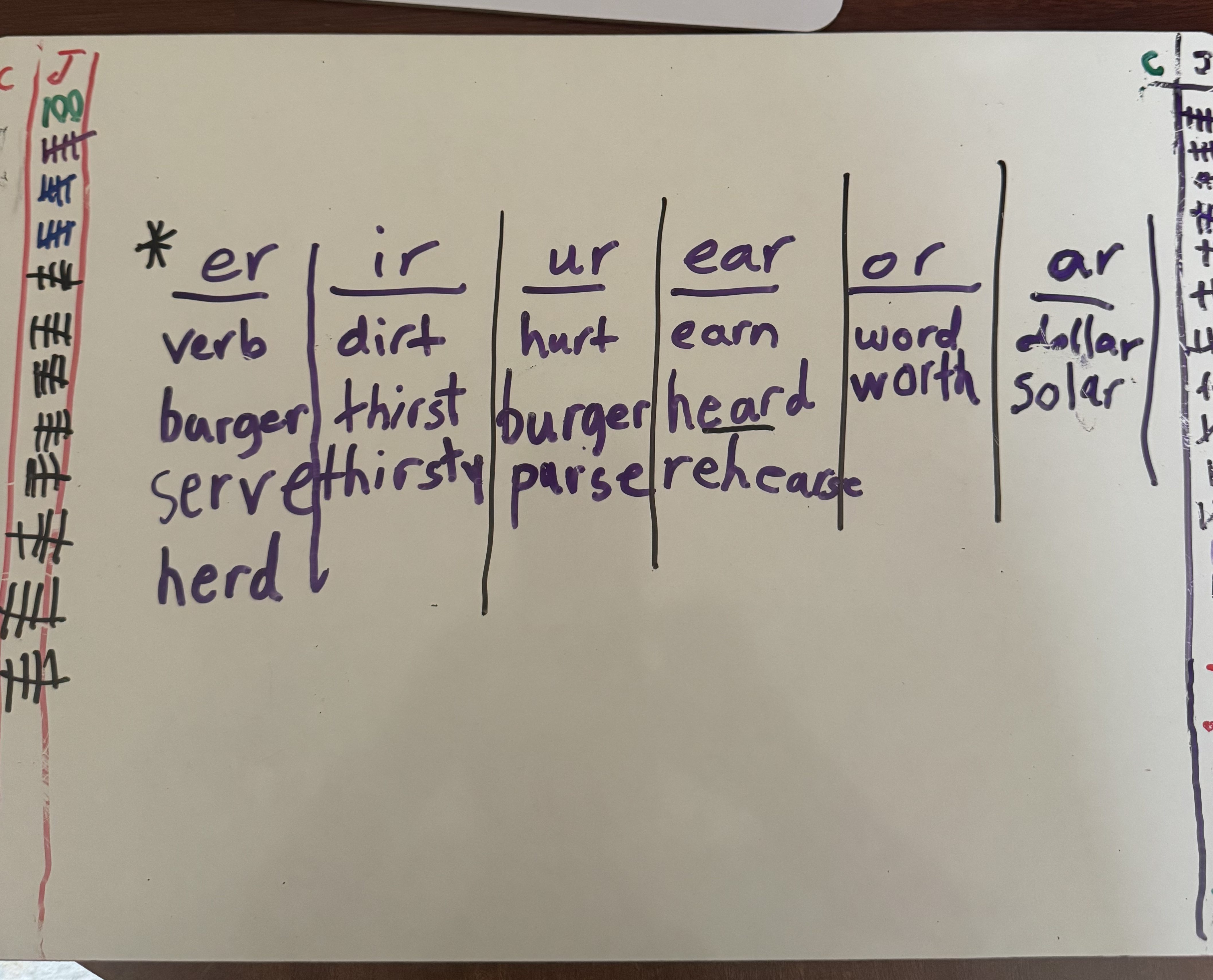
I had my student do a quick check-in on the /er/ patterns after not having met for a bit. She recognized the word Gunnar right away from our reading of Balto together. The week before she had sorted words with the /er/ sound. My smarty pants student quickly figured out that burger should be in…
-
Linguistic Phonics (Speech to Print)
Why Speech-to-Print? Humans are born wired for spoken language. We are not born wired to read. Reading is a learned skill that requires us to connect the language we already know and speak to the written symbols we see on a page. What intrigued me most about Linguistic Phonics is that it begins with what a child…

